Managing Theatrical Systems: Planning for Long-Term Life Cycle Costs

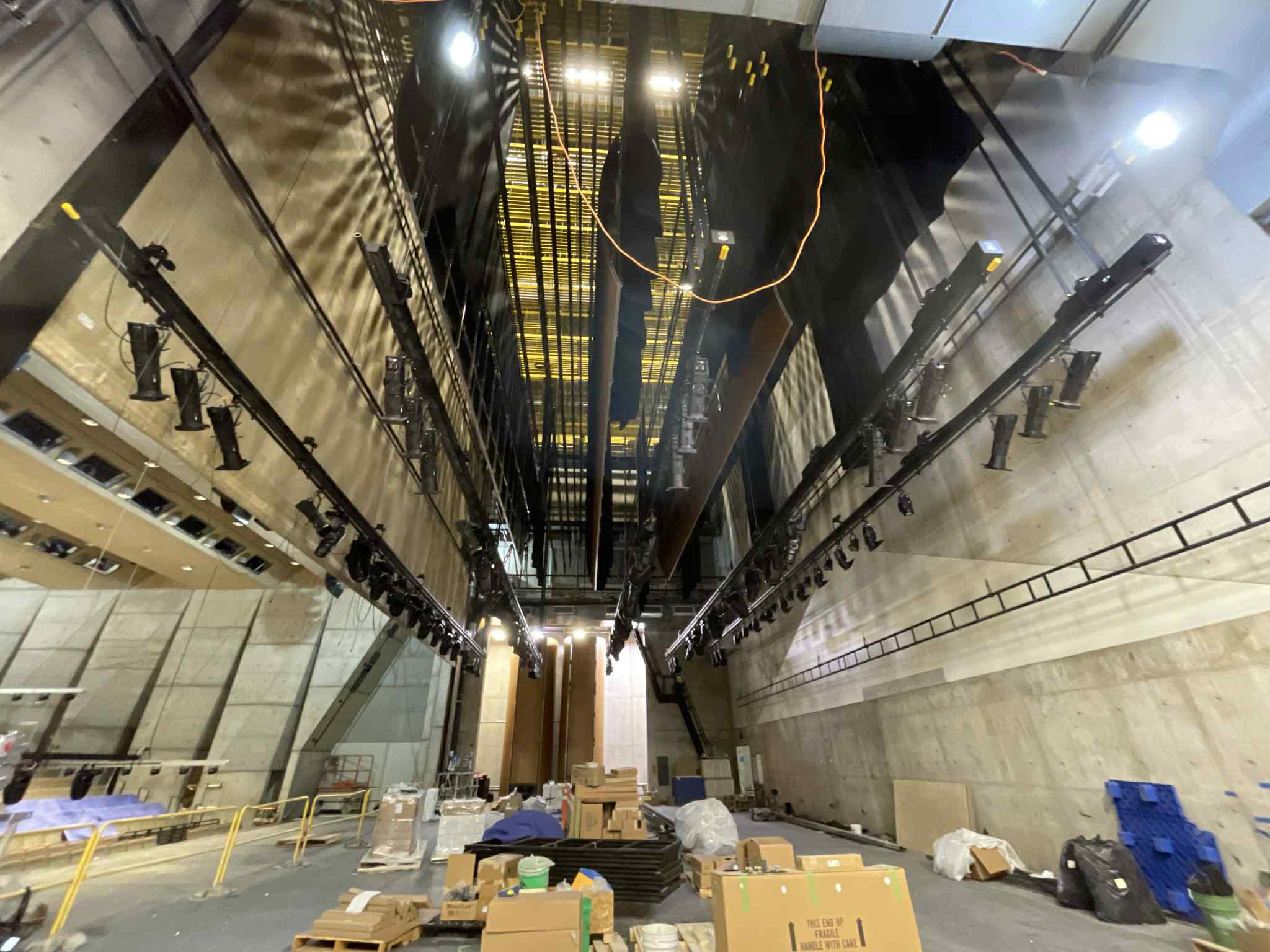
New LED and automated lighting systems. Typical lifespan 10-15 years when well maintained and with moderate use. (Photo by author)
While artistry tends to get the attention in a performance venue, the practical side matters just as much. Theatres are packed full of technology, allowing that artistry to shine. All those systems need to be maintained, upgraded, and eventually replaced, like HVAC, roofing, and the building envelope. The best opportunity to plan for that reality is early in design when there is still flexibility to make decisions about both functionality and long-term life cycle.
Theatre consultants offer different ranges of services, so scope is best defined with the client up front. Life cycle planning advice may be available through your theatre consultant. This advice may include long-term capital planning strategies, regular and periodic maintenance schedules to extend the life of the equipment, or end-of-life strategies and options for when gear eventually is replaced.
The Life Cycle of a Theatrical System
Theatrical systems cover a lot of ground: rigging, lighting, sound, video, projection, drapery, seating, orchestra lifts, motorized acoustics, and more. Each has its own life cycle. Modern lighting fixtures may last 10 to 15 years; rigging and architectural systems can run 30 to 40 years or more. Laser projectors are rated in operating hours rather than years.
These differences shape how clients should budget beyond the opening of a venue. The HVAC overhaul everyone expects in three decades gets planned for. The lighting fixtures or system refresh due in twelve often does not. Life cycle thinking covers the full picture: initial capital, routine maintenance, periodic upgrades, eventual replacement, and a reasonable allowance for what doesn’t go to plan.
Planning Early
Good planning starts with the client: their vision, their financial and labor capacity, their performance calendar, and an honest read on how heavily they expect to use the space. A year-round professional venue has very different requirements than a community or academic space with seasonal programming. A facility with limited maintenance staff may benefit from spending more upfront to reduce ongoing demands. Idle systems behave differently than well-used ones, much like a car that sits in storage versus one driven daily.
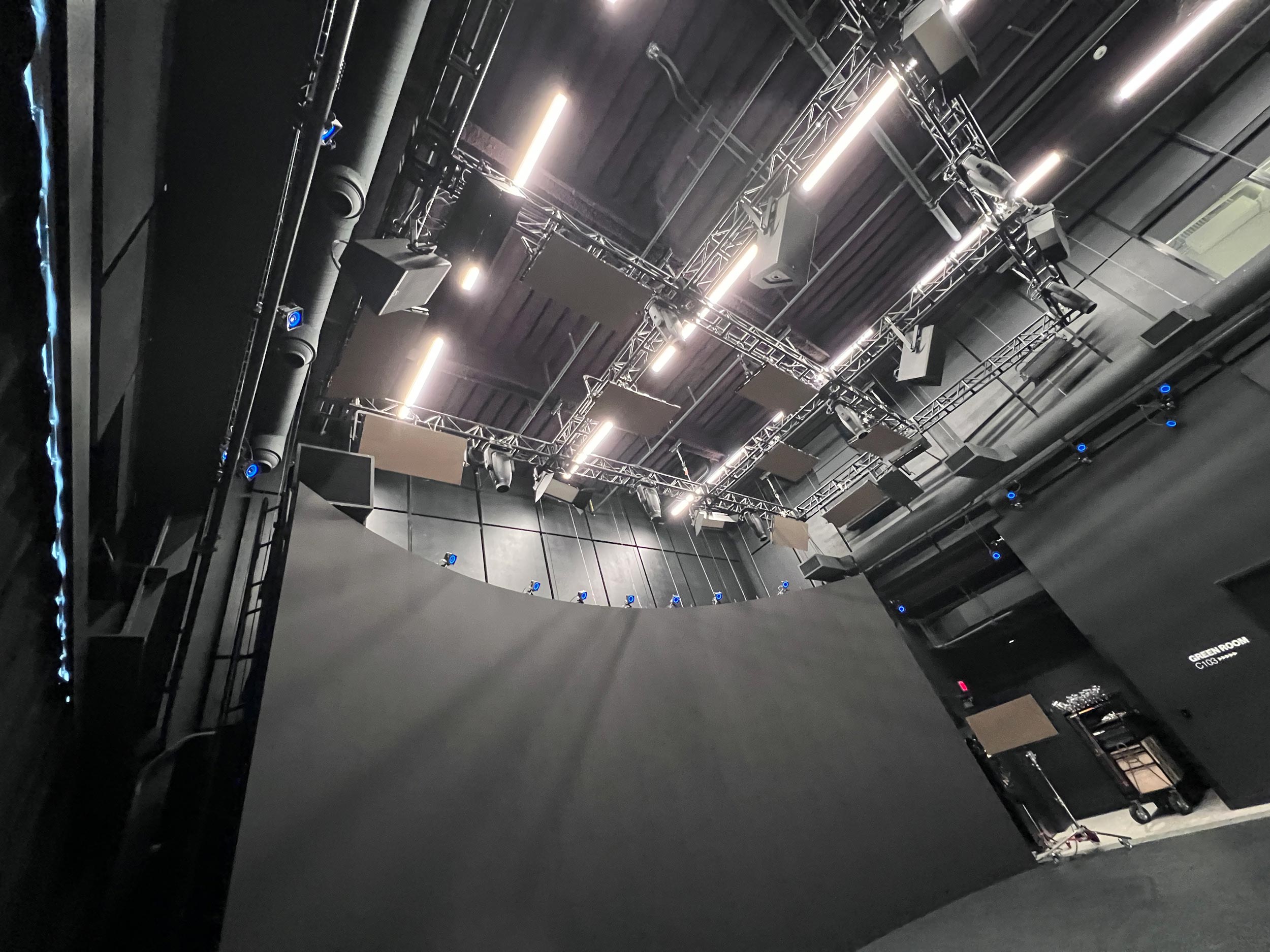
New direct-view high resolution LED video wall. Power supplies and control cards have an average lifespan of 80K-100K hours of typical theatrical use. (Photo by author)
System selection involves real trade-offs. Manual rigging may be less expensive to maintain; motorized rigging, on the other hand, can be easier and safer to operate, but it carries higher upfront and lifetime costs. Legacy motorized rigging may need an extensive control-system retrofit at 10 to 15 years when the computer-based controls fail or become obsolete, well before the mechanical hardware is at end of life. Similarly, most new theatrical systems are now CPU-based, so this pattern will only become more common. LED walls have started to replace fabric cycloramas in many venues but require calibration, specialized service, and occasional control upgrades. A consultant can help weigh these expenses against the client’s actual operations.
Coordination with building systems comes up early too. Theatrical equipment interfaces more and more into a building’s electrical, HVAC, IT, and control infrastructure. As a comparison, architectural networked LED lighting can save enough energy to help justify the upfront cost, but it needs coordination with the design team from the start and will have higher maintenance costs over its life. Additionally, as building systems undergo planned capital repairs and replacements, theatrical systems that are tied to them may be impacted or vice versa.
Flexibility matters too. Technology keeps changing, and no design is fully future proof. Extra conduits, accessible cable pathways, and adaptable infrastructure all make future upgrades less expensive and less disruptive to a season’s schedule.
Budgeting
When planning budgets, it is strongly recommended to consider addressing more than installation. Budgets must account for ongoing operation and maintenance, periodic replacement, and the unexpected. Folding these into an annual budget cycle is easier than estimating them under pressure.
Capital costs cover equipment, installation, and integration. Where full systems may be financially out of reach at opening, capital can still fund the underlying infrastructure (conduit, power, framing) that allows for phased expansion later.
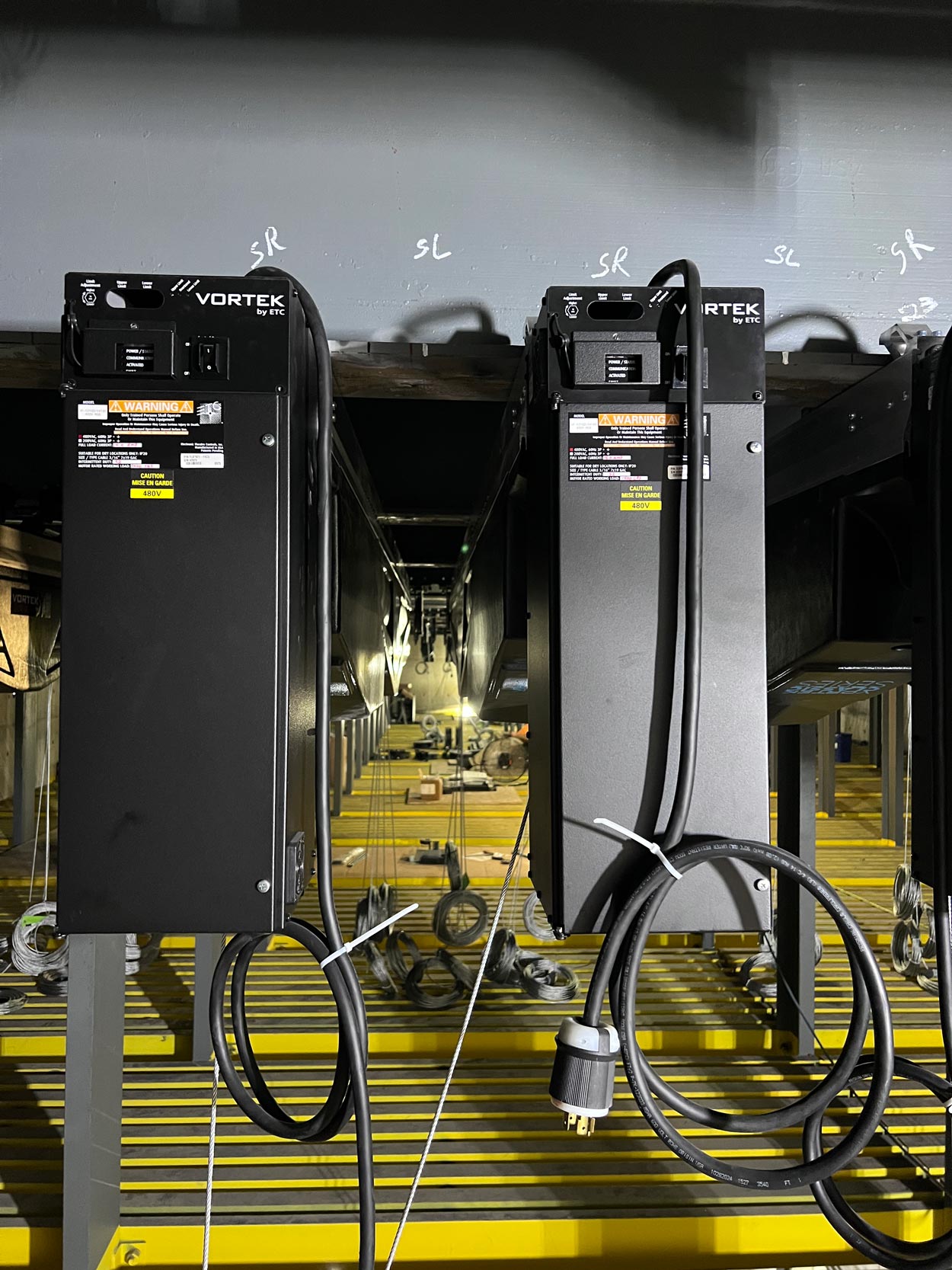
New automated linesets. While major mechanical components can last many decades, control cards, software, CPUs, and drives can have lifespans of 7-12 years. (Photo by author)
Operating and maintenance costs vary by system. Rigging requires regular, yearly inspections. These may be free through the installer in the case of educational theaters for example. More often, however, they are not. Orchestra pit lifts, motorized acoustics, safety curtains, and stage traps each add complexity to a venue’s operation and maintenance. Networked AV and lighting controls need ongoing testing and software upkeep. These costs are usually best estimated with assistance of the manufacturers and integrators, ideally before the venue opens.
Replacement costs should be anticipated, not absorbed as surprises. A laser projector rated at 20,000 to 50,000 hours may need replacement on schedules that vary widely with production volume. The motorized rigging controls mentioned earlier are another case: the budget for them can come due years before anyone expects, and it is easy to miss if those line items end up in different parts of the plan.
A modest contingency line item in operating or capital budgets absorbs what may break early, become obsolete due to new technology arriving in the industry, or shifts in programming that renders functioning equipment as no longer needed, handled much the way HVAC or roofing reserves are.
Managing Systems Over Time
Once a venue is operating, the life cycle plan becomes a working document.
Regular maintenance keeps a venue safe and reliable, and skipping it to save in the operating budget is one of the more reliable ways to face a much larger capital expense earlier than expected. A consultant can help develop schedules based on manufacturer guidelines and the venue’s use patterns and can suggest software tools that track tasks and lead times across many systems. Service contracts with manufacturers, integrators, or specialized providers are worth considering, and can even be written into the initial specification. Additionally, staff should consider ensuring software updates are completed in a timely manner much like an IT manager at an organization does with office desktops and laptops on a planned schedule. Otherwise, out-of-date software and firmware can have very negative consequences when an organization least expects it.
Many modern systems include built-in monitoring that flags failing components, inspection and maintenance intervals, or performance drift before a problem becomes urgent. Where monitoring isn’t built in, physical inspection is the alternative. Drapery wears. Seating loosens. Rigging requires periodic inspection. Frequency and scope are best worked out with the manufacturer and the venue’s staff.
Sustainability tends to follow from the same thinking. Energy-efficient fixtures, networked controls that power systems down during off-hours, and equipment that serves more than one function lower operating costs and energy use together. Where the earlier point was to keep the passive infrastructure flexible, the companion point is to size the active equipment to real programming rather than to an aspirational maximum. End-of-life choices contribute to sustainability: responsible e-waste recycling, resale of working gear, and donation to schools or smaller organizations are all better outcomes than a landfill, and a consultant can help find the right partners or refer the client to specialists who do this work.
Closing the Loop
Some clients want a consultant only at the design stage; others want a partner through commissioning, operation, and renovation years later. Whatever the scope, getting life cycle thinking onto the table early lets the client focus on the artistic life of the venue without being blindsided by the practical one.
By Raymond Kent, ASTC
Disclaimer: Any views or opinions expressed in this article are solely those of the author and do not necessarily represent those of the American Society of Theatre Consultants. This article is for general information only and should not be substituted for specific advice from a Theatre Consultant, Code Consultant, or Design Professional, and may not be suitable for all situations nor in all locations.